
Two Mandatory National Standards Officially Implemented — GEEKTEST Safeguards Electric Vehicle Safety with Full-Scenario Testing Solutions
Effective July 1, 2026, two mandatory national standards — Safety Requirements for Electric Vehicles and Safety Requirements for Traction Batteries for Electric Vehicles — will come into force simultaneously. Unlike the warning-based bottom-line logic of the previous standards, the new regulations directly raise the safety baseline, shifting from "post-incident alarm" to "pre-incident risk prevention". They comprehensively tighten the safety access threshold for traction batteries, and all new energy vehicle models on sale or under development, as well as their supporting battery products, must achieve full compliance.
Three Core Rigid New Regulations Address Industry Safety Pain Points
From "5-Minute Escape Window" to "Zero Risk Throughout the Process"
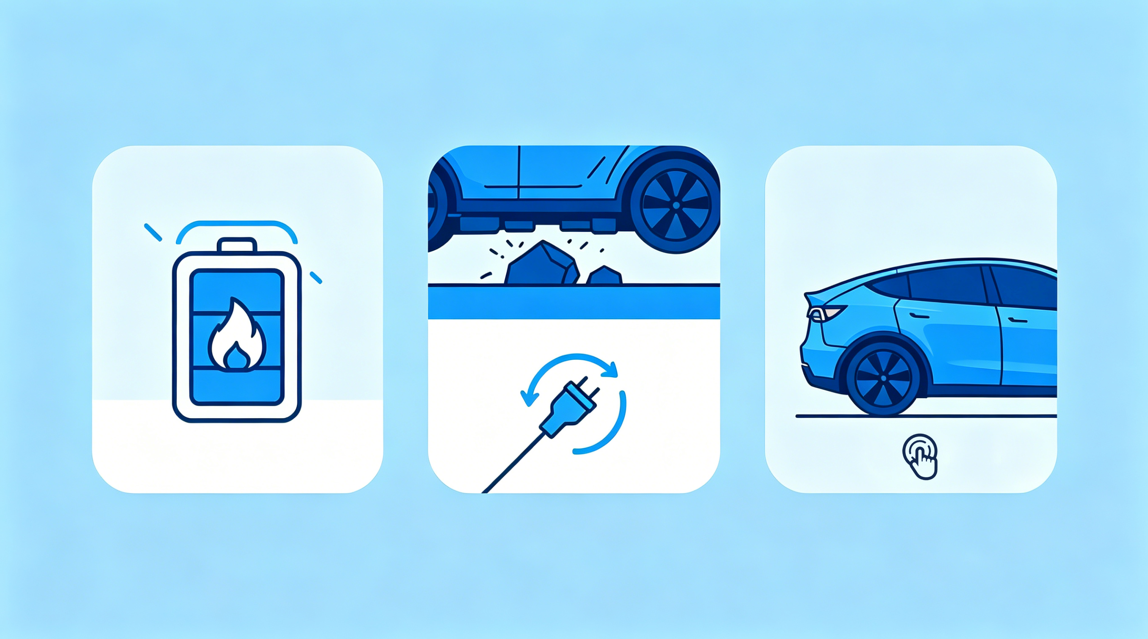
The old national standard only required an alarm signal 5 minutes before battery thermal runaway to allow occupants time to escape. The new standard stipulates as a mandatory requirement that after thermal runaway occurs in a single battery cell, the battery pack must not catch fire or explode at any stage, and the released fumes must be non-toxic, harmless and pose no harm to occupants. Meanwhile, the thermal event alarm function shall be retained, imposing extremely strict requirements on battery thermal diffusion prevention and heat dissipation structure design.
Two New Mandatory Tests Verify Safety under Long-Term Real-World Conditions
Targeting two high-frequency daily driving scenarios — chassis impacts and high-frequency fast charging — the new regulations add mandatory test items. The first is the battery pack bottom impact test, which simulates real road conditions such as chassis scratches and impacts from hard road objects to verify the reliability of the battery's bottom protective structure. The second is safety retesting after 300 high-rate fast charging cycles: after the battery undergoes aging via hundreds of fast charges, it is subjected to extreme tests including short circuit and thermal abuse.
Upgraded Vehicle High-Voltage Safety Strengthens Rescue Protection
The new regulations mandate that all new energy vehicles be equipped with a physical high-voltage power-off device, replacing the purely electronically controlled power-off mode. In the event of an accident, the vehicle's entire high-voltage circuit can be quickly disconnected, effectively eliminating electric shock risks during rescue and maintenance, and comprehensively improving the vehicle's passive safety and after-sales rescue security.
Standard Upgrade: Testing Capability Becomes Core Compliance Barrier
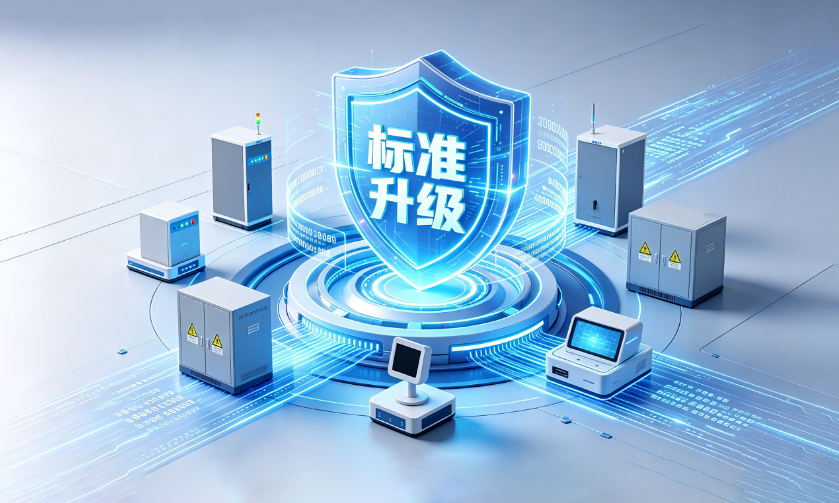
With stricter test items and broader scenario coverage under the new national standards, traditional outdated testing equipment and single-dimensional testing solutions can no longer meet regulatory requirements. For cell, module and battery pack manufacturers, as well as vehicle OEMs, there is an urgent need to upgrade testing equipment, improve end-to-end testing systems, complete retesting of new products and carry out compliance retrofitting of production lines, in order to pass qualification audits smoothly and achieve normal mass production and market launch.
GEEKTEST Equipment Matrix Covers Testing Needs of the New National Standards
1. Battery Testing Solutions
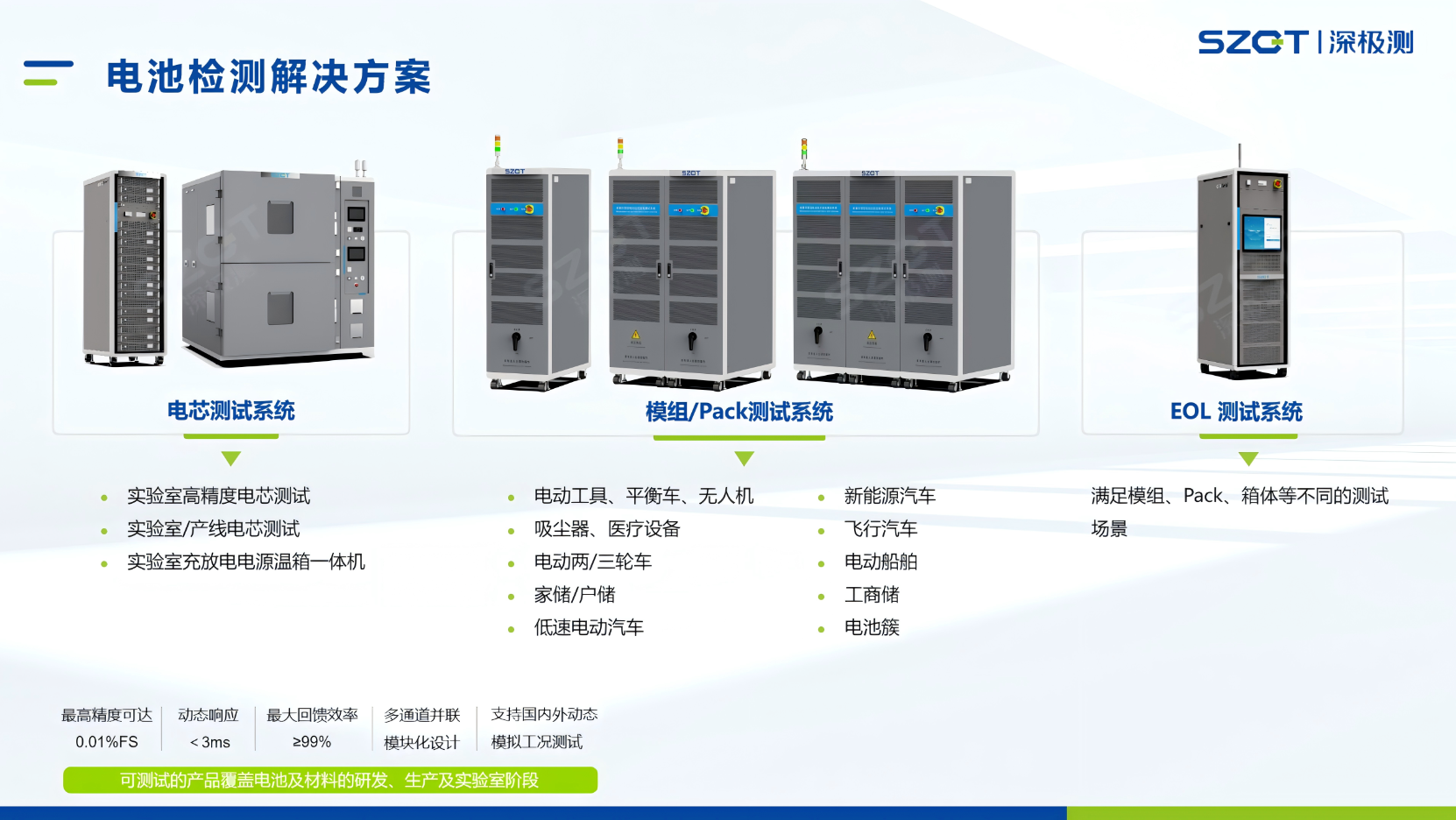
GEEKTEST offers a full equipment matrix including cell testing systems and module/pack testing systems, covering full-life-cycle testing scenarios from cell R&D, sample verification and module assembly to finished pack delivery. The equipment features an ultra-wide voltage testing range of 0–2000 V, ultra-high measurement accuracy of 0.01% FS and an energy feedback efficiency of ≥99%. With accurate, stable test data and lower energy consumption, it perfectly aligns with compliance testing requirements, helping enterprises achieve energy saving and emission reduction as well as cost reduction and efficiency improvement.
2. Automotive Electronic System Solutions
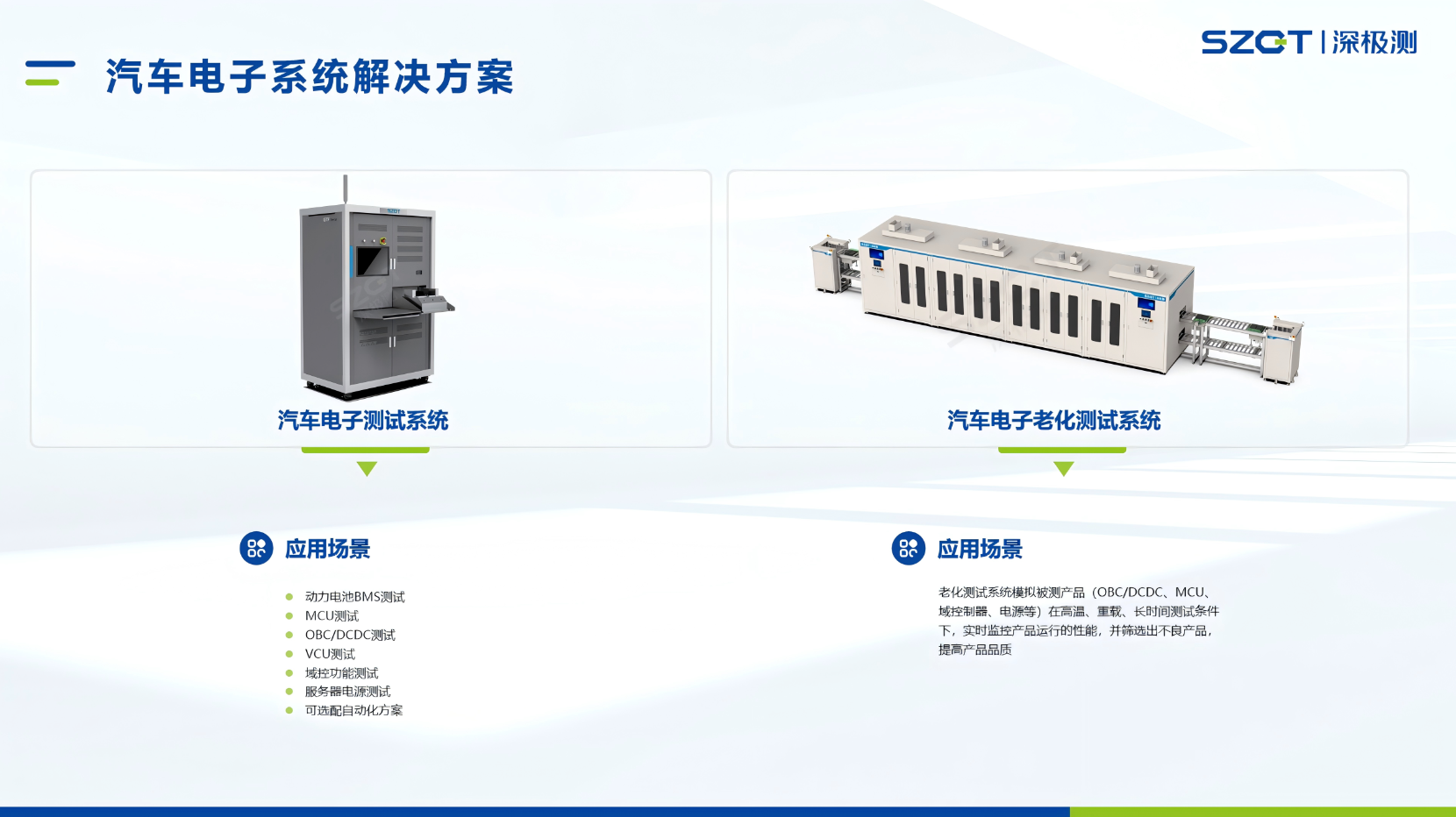
- Automotive Electronic Testing System: Suitable for full performance testing of on-board electronic control products such as traction battery BMS, MCU, OBC/DC-DC, VCU, domain controllers and on-board power supplies. It supports production line automation integration, enabling one-stop R&D verification and end-of-line testing for new energy vehicle electronic components.
Automotive Electronic Aging Testing System: Applicable to various on-board electronic control products including BMS, OBC/DC-DC, MCU, domain controllers and on-board power supplies. The equipment simulates harsh operating conditions such as high temperature, heavy load and long-duration continuous operation, monitors product performance in real time throughout the process, automatically screens out defective units, and exposes potential failure risks of electronic control components under long-term fast charging cycles at an early stage. It meets the durability and safety verification requirements of the new national standards, and elevates the quality of vehicle-supporting electronic components at the source.