

Why Should Testing Be the Priority for Energy Storage Battery Safety Amid the Summer Peak of Electricity Consumption?
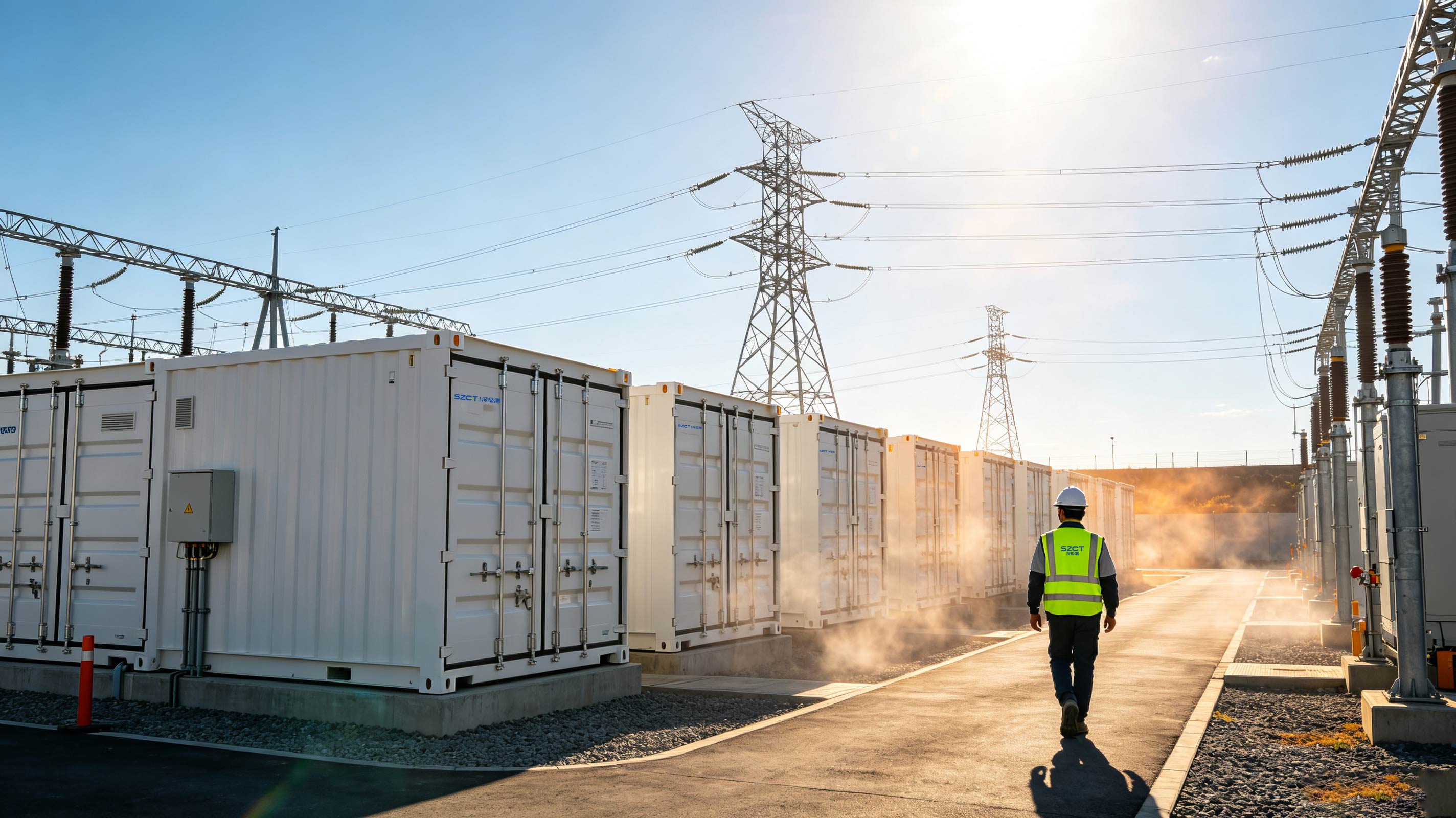
Since the beginning of summer, high temperature warnings have been issued continuously in many parts of the country, and social electricity load has repeatedly hit new highs. Energy storage power stations have entered the critical period of "summer peak load management", which sees the highest operating pressure of the year. Meanwhile, special inspection and rectification of energy storage power station safety have been launched in many regions, and risk points such as battery thermal runaway, capacity degradation and seal failure have once again become the focus of the industry.
When it comes to energy storage safety, most people's first reaction is fire protection systems and explosion-proof designs. However, the vast majority of potential safety hazards can be identified in advance through testing before delivery and in the early stage of operation. Compared with post-incident fire protection remedies, preemptive prevention and control through energy storage safety testing is a more cost-effective safety defense line.
I. Three Major Safety Challenges for Energy Storage Batteries During the Summer Peak Load Period
With sustained high temperatures superimposed on high-load charging and discharging, the operating environment of energy storage batteries deteriorates significantly, and originally hidden minor defects are likely to break out intensively at this stage. The core risks are concentrated in three aspects.
First, accelerated performance degradation. In high temperature environments, the internal resistance of battery cells changes significantly, and the capacity degradation rate doubles. The consistency deviation between cells gradually widens. Without timely detection and calibration, individual cells may be overcharged or over-discharged, which further accelerates aging and even triggers protection mechanism shutdown.
Second, the risk of seal failure. The temperature difference between day and night, coupled with temperature fluctuations caused by high-load operation, will accelerate the aging and deformation of the seals of the PACK enclosure. Once the air tightness decreases, moisture and dust entering the enclosure may cause hidden dangers such as reduced insulation and component corrosion, which can easily evolve into safety accidents during long-term operation.
Third, rising probability of thermal runaway. High-load charging and discharging itself generates a lot of heat. Coupled with the high ambient temperature, the heat dissipation pressure of the cells increases sharply. If the cells have internal defects, loose tab connections and other problems, heat will accumulate rapidly and cannot be dissipated under high temperature and high load conditions, which can easily trigger thermal runaway.
These performance and safety hazards derived from high temperature operating conditions can be identified and warned in advance through special energy storage battery testing.
II. Testing Is the Core Means of Preemptive Prevention and Control for Energy Storage Battery Safety
The safety management logic of many energy storage power stations is "rectifying problems after they occur". However, the value of testing lies precisely in intercepting risks before failures occur, running through three key stages of the full battery life cycle.
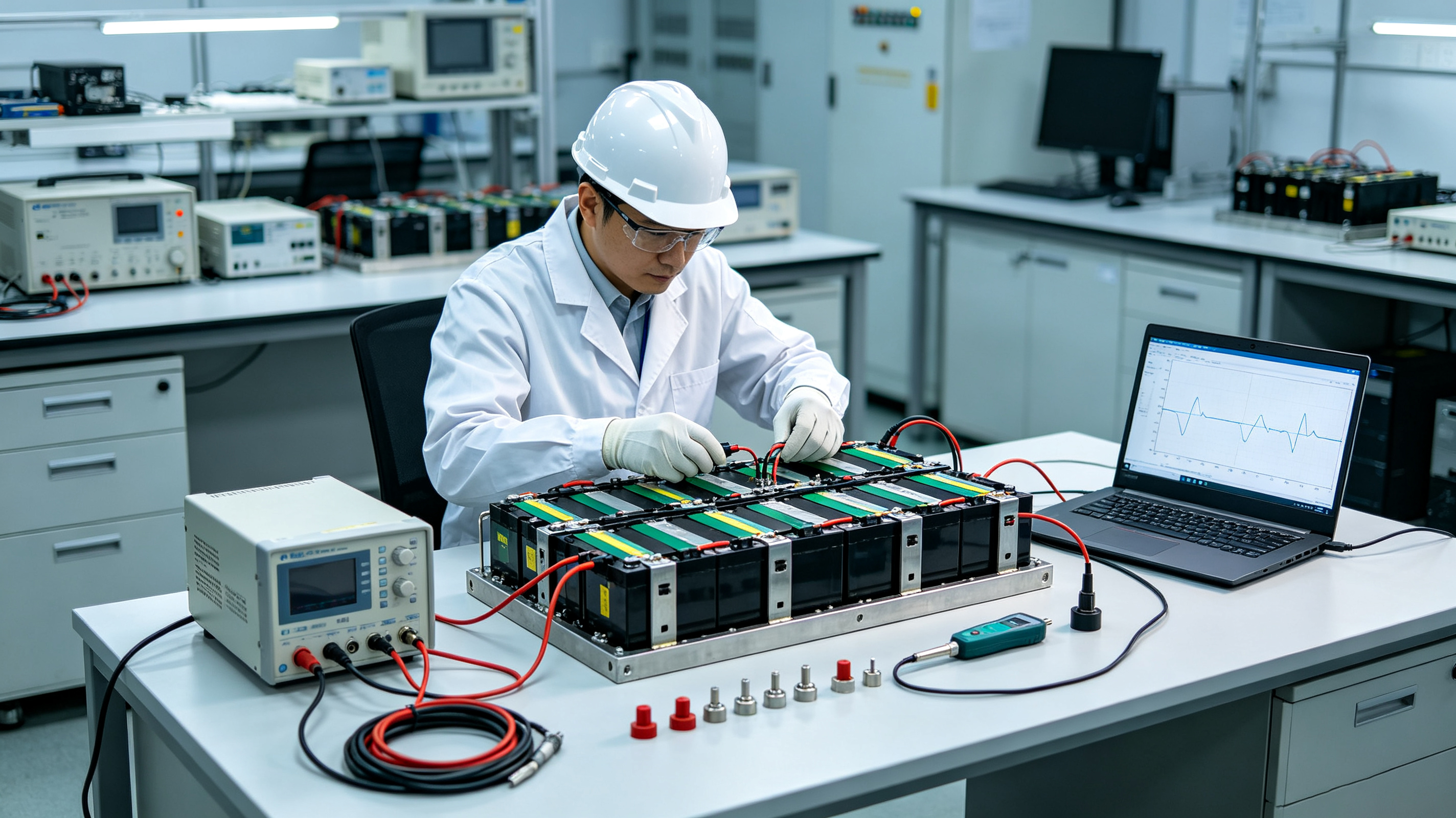
First, quality control at the factory stage. Full final inspection of finished battery packs before delivery conducts comprehensive verification of electrical performance, BMS functions, safety compliance performance and sealing performance, intercepting products with assembly defects and substandard performance directly at the factory, and preventing products with hidden dangers from being put into operation at the source.
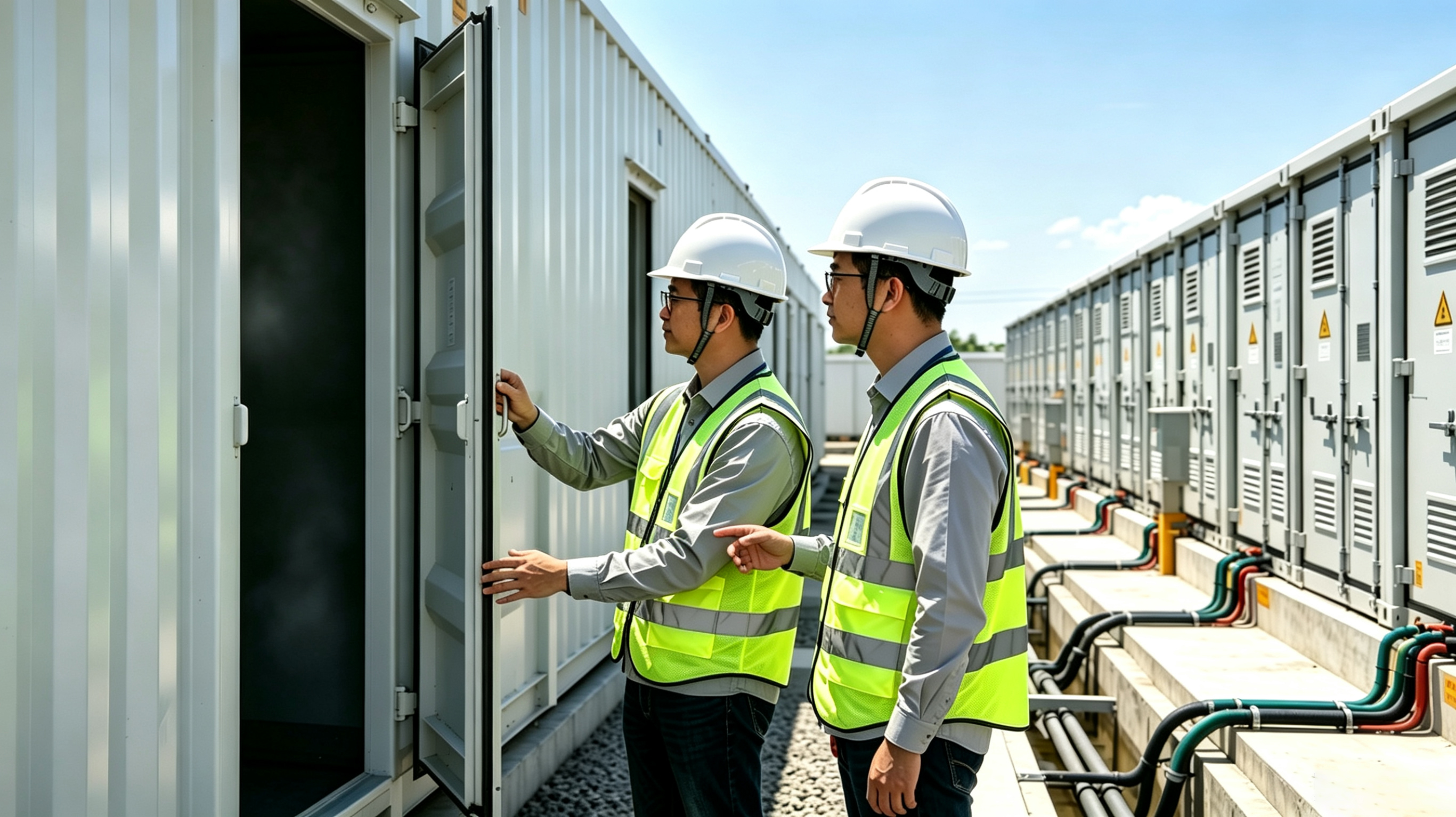
Second, re-inspection before grid connection at the delivery stage. After transportation, hoisting and on-site installation, battery packs are prone to problems such as loose wiring and enclosure bump damage. Comprehensive re-inspection before grid connection can confirm that the product is in good condition and the wiring logic is correct, eliminating the low-level risk of putting into operation with faults.
Third, regular inspection and troubleshooting during operation and maintenance. During the operation of the power station, regular performance testing, insulation verification and air tightness testing can timely capture early signals such as abnormal capacity degradation, increased internal resistance deviation and seal leakage, and resolve hidden dangers in advance to solve problems in the bud, preventing minor problems from turning into major accidents.
A full life cycle energy storage power station testing system is the most cost-effective means of safety prevention and control.
III. Safety Management of Energy Storage Power Stations: Avoid the Misconception of "Prioritizing Fire Safety Over Testing"
At present, the safety investment of many energy storage projects is largely tilted to passive protection such as fire protection and explosion protection, while insufficient attention is paid to the upfront testing link. However, according to past accident cases in the industry, the root causes of most safety accidents are problems such as early cell defects, poor assembly and poor performance consistency, all of which can be investigated in advance through the testing link.
Passive protection can only reduce losses after an accident occurs, while upfront testing can fundamentally reduce the probability of accidents. A sound energy storage battery testing system is the first pass of safety management. For energy storage power stations with an operation cycle of more than ten years, sufficient testing work is the choice with the highest return on investment, whether from the perspective of safety risk control or full life cycle cost.
Conclusion
The rapid development of the energy storage industry must always be built on the bottom line of safety. With the arrival of the summer electricity consumption peak, the operating pressure of power stations continues to increase. It is all the more necessary to put testing prevention and control upfront, control battery quality and operating status from the source, and build the first line of defense for safe operation.
Shenzhen Geektest Technology Co., Ltd. (referred to as GEEKTEST) has been deeply engaged in the new energy testing field for many years, providing energy storage battery testing solutions covering the full scenarios from battery factory testing to operation and maintenance. It always believes that testing is the basic defense line of battery safety, and helps the energy storage industry achieve safer and more stable high-quality development.